How Riyadh Factories Can Turn Scrap Into Regular Income
Projects · 26 October 2026 · 2 min read · Said Akram
Get a Free Quote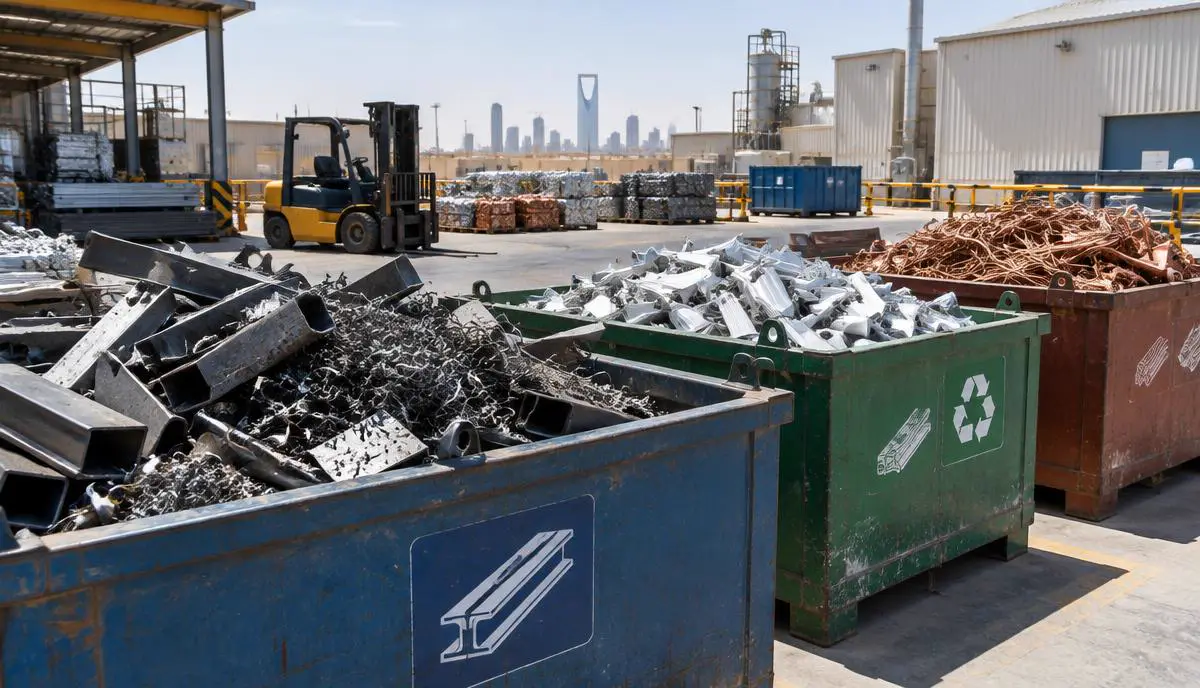
Factories and workshops in Riyadh's industrial cities generate scrap every week: offcuts, swarf, rejected parts, old machines and packaging. When this material is handled casually it takes up space and earns little. When it is managed as a small process, it becomes a steady line of income. This guide explains how.
Know what you produce
Start by measuring your scrap for a month. Note the type of metal, the rough weight and how often it builds up. Common streams include:
- Steel and iron offcuts from cutting and fabrication.
- Aluminum profiles and extrusions.
- Copper and brass from electrical and plumbing work.
- Old motors, pumps and machines being replaced.
Knowing your volumes lets you plan collections and compare quotes fairly.
Separate at the source
The single biggest improvement most factories can make is sorting scrap where it is created. Place labelled bins for each metal near the machines that produce it. Clean, single-metal loads are worth more than mixed ones, and sorting at the source costs almost nothing once staff are used to it.
Keep the yard safe and tidy
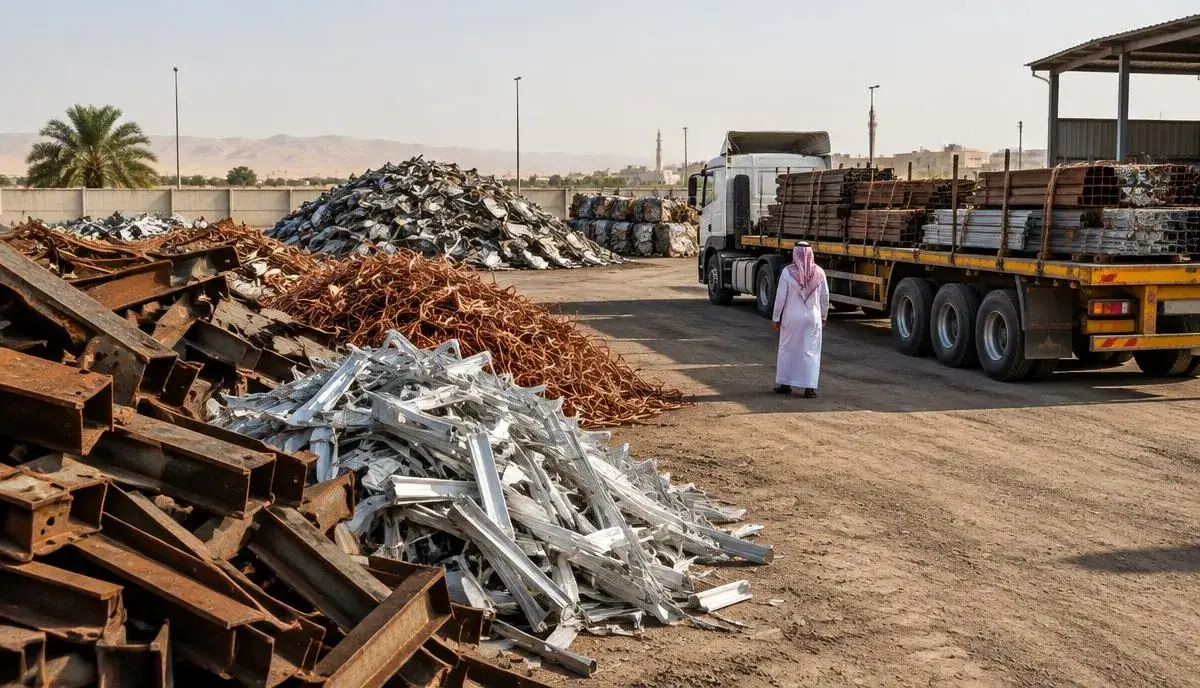
Choose one collection area with good truck access, away from walkways. Keep heavy items on the ground, never stacked high, and store batteries upright in a covered spot. A tidy scrap area makes collection faster and reduces the risk of injury.
Set a regular schedule
Instead of calling a buyer only when the yard is full, agree a regular collection, for example weekly or monthly, based on your volumes. A predictable schedule keeps space free and makes it easier to track income. For large one-off jobs, such as replacing a production line, arrange a site visit first.
Track weights and prices
Record the date, material, weight and price for every collection. Over a few months this shows which streams earn the most and helps you spot any change in prices or quantities. Ask your buyer to confirm each load in writing.
Review every few months
Scrap prices follow the market. Review your records every quarter, check that your sorting is working and talk to your buyer about any changes in material or volume.
With simple sorting, a safe yard and a regular schedule, scrap stops being a nuisance and becomes reliable income for your factory.